stylometrics
Stylometrics
This repository is a research corpus containing essays, mathematical models, source documents, illustrations, audio renderings, transcripts, and computational experiments concerned with stylometry, inference, epistemic proxies, representation, mathematical modeling, and related formal frameworks.
A recurring concern across the collection is the relationship between an observable feature and the hidden process inferred from it. Stylometric markers, mathematical quantities, probability estimates, interface states, and textual forms can all become proxies for processes that are not themselves directly observed.
Principal works
Architectures of Permeability examines representational forms and media as active cognitive structures, particularly the distinction between useful enclosure and systems that cease to admit effective external correction.
Arranged Conditions examines how explanatory conclusions depend upon the conditions, reference classes, and causal arrangements supplied around an observation.
P(doom) is a mathematical and satirical investigation of technological catastrophe estimates, reference classes, priors, anthropic observation, causal assumptions, and the sensitivity of apparently quantitative probabilities to modeling choices.
Roots of Optimism develops a formal treatment of optimism through repair, recoverability, continuation, and accessible future states rather than treating optimism simply as an expectation of favorable outcomes.
Stylometric Proxies examines textual surface features used as proxies for authorship, particularly attempts to identify machine-generated writing from stylistic markers. It considers proxy formation, Goodhart effects, adaptation, false positives, and the eventual decoupling of a public test from the latent property it was intended to measure.
SpherePOP Desktop contains work relating the SpherePOP framework to interface-level and desktop representations.
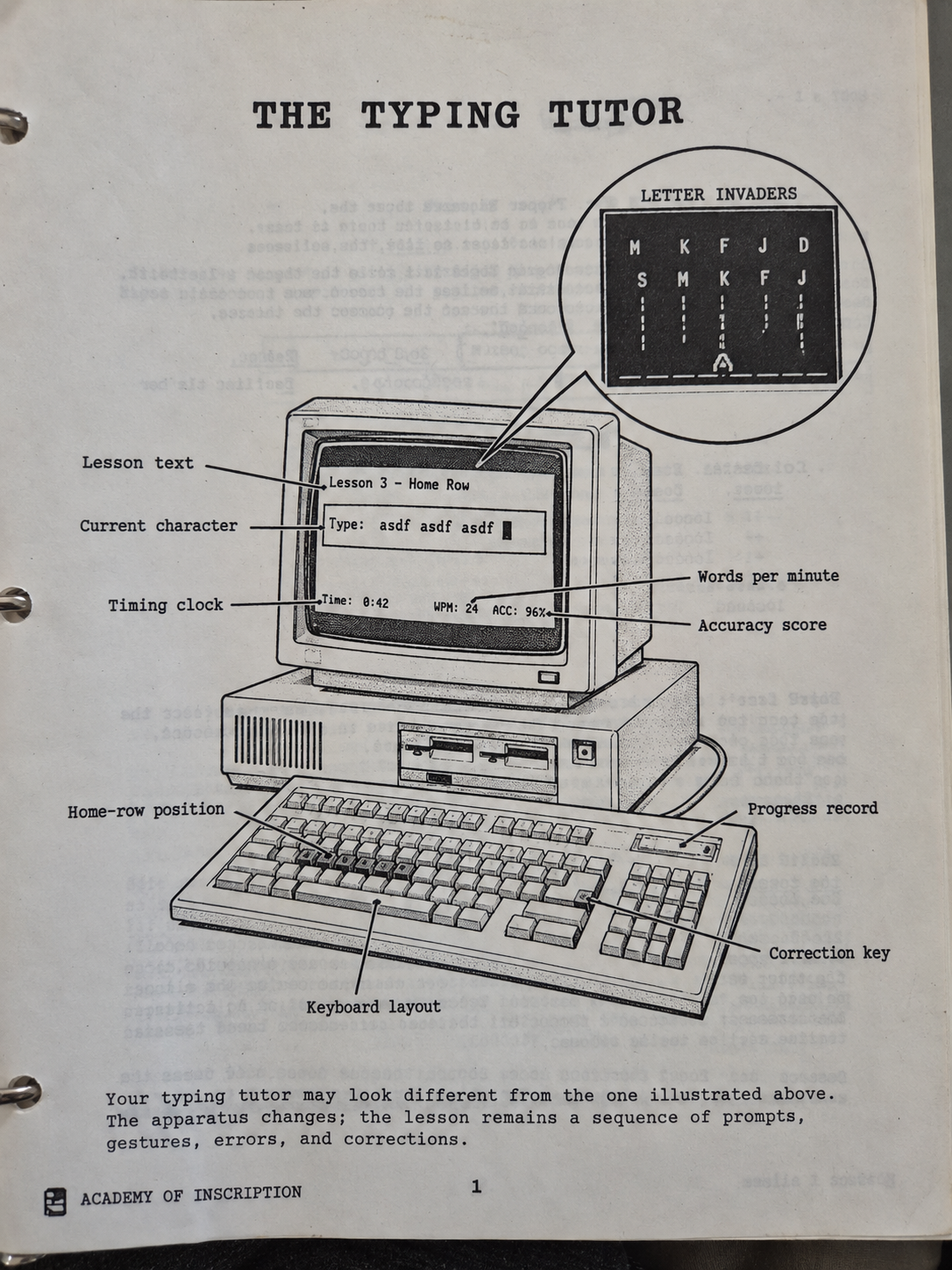
Typing Tutors contains historical and theoretical work on typing instruction, paper-mediated tutoring systems, software tutors, and changes in the pedagogical unit of action.
Computational and visual material
The repository contains Python models, LaTeX tables and figures, cover artwork, illustrations, and processing utilities associated with the written research.
Visual artifacts are retained alongside their corresponding theoretical work because presentation and representation form part of the research process rather than a wholly separate publication layer.
Audio corpus
Some works have spoken versions accompanied by transcripts and timing information. These may appear as families of MP3, TXT, SRT, VTT, TSV, and JSON files.
Current audio-related material includes the
Optimism_is_the_math_of_repair and
Why_mathematical_models_hide_the_truth artifact families.
File types
LaTeX source is stored as .tex, compiled documents as .pdf,
computational material as .py, utilities as .sh, artwork as .png,
audio as .mp3, transcripts as .txt, .srt, and .vtt, timing data as
.tsv, and structured metadata as .json.
Generated LaTeX working files are intentionally excluded from version control.
Monotonic history
The initial Git history is deliberately constructed one file at a time.
Every initial commit introduces exactly one previously untracked path. Consequently, the repository grows monotonically during its initial import: no initial commit modifies or removes an artifact introduced by an earlier commit.
Files are grouped loosely by function so that source material, computational work, tooling, artwork, compiled documents, audio, transcripts, and metadata occupy recognizable regions of the initial history.
This ordering describes repository assembly rather than the historical order in which the underlying works were authored.
Building
A typical LaTeX document can be compiled with:
latexmk -xelatex document.tex
Individual documents may have additional dependencies.
Status
This is an active research corpus rather than a versioned software release. Artifacts may represent finished essays, active drafts, computational experiments, source material, generated representations, or intermediate theoretical formulations.
The collection forms part of the broader Flyxion / Galactromeda research corpus.